Choosing a Construction Contractor

A useful contractor comparison starts with three questions: what are you buying, who is responsible, and how will completion be checked? This guide helps owners of homes and small buildings in Thailand prepare a brief, examine quotations and follow the work through to handover, without relying on the total price alone.
Define the finished result
Construction contracting means commissioning work against an agreed scope, drawings and terms. An ‘all-inclusive’ label does not explain what is included. Describe the rooms and systems you need to use, the connections required and the existing features that must remain. Turn those expectations into details that can be checked.
Prepare a pricing brief
Gather current drawings, site photographs, approximate dimensions, material choices already made and your intended use date. Explain delivery access, permitted working hours and whether people will occupy the property during construction.
Assign the boundaries
List demolition, waste removal, protection of belongings, temporary works and final cleaning. Identify who handles design, permission-related coordination and owner-supplied purchases. A defined list is more useful than the phrase ‘everything included’.
Choose a manageable contract
The way you appoint contractors affects your workload as well as the price. Consider how much purchasing, scheduling and on-site decision-making you can handle. Each arrangement still needs detailed terms; none removes risk automatically.
| Arrangement | Owner involvement | Clarify in writing |
|---|---|---|
| Labour and materials | Approve specifications and check delivery against the drawings. | Brands, models, grades, quantities and material substitutions. |
| Labour only | Buy, deliver and store materials in time for the work. | Tools, consumables and responsibility for damaged materials. |
| Separate trade teams | Coordinate schedules and the work connecting different trades. | Interfaces, inspection duties and responsibility for shared problems. |
Find the gaps in quotations
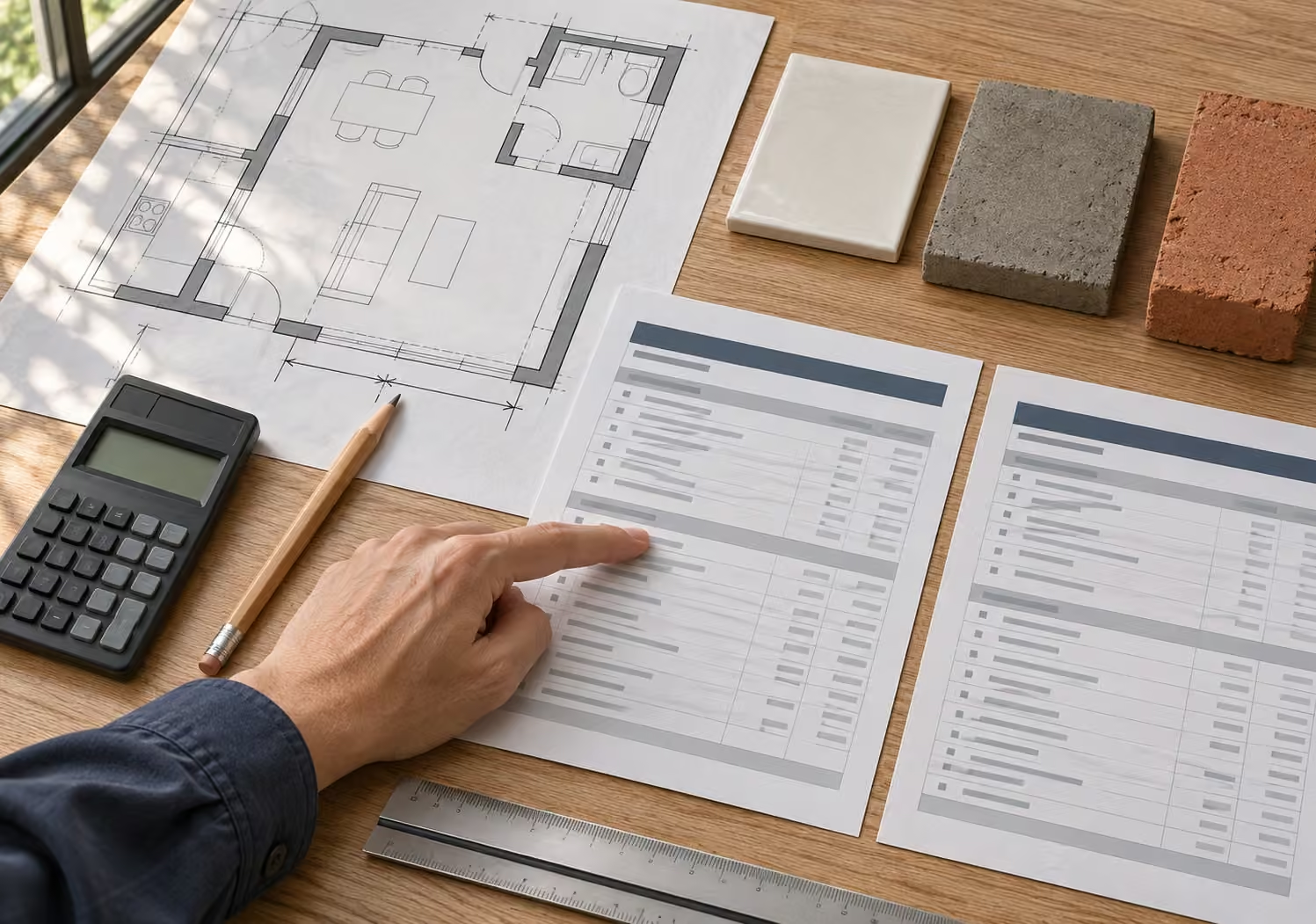
Give every bidder the same information. Ask for quantities, units, unit rates and totals for significant items. If a bill of quantities, or BOQ, is available, compare it with the same drawing revision. An unpriced item may be excluded, unresolved or accidentally missing; clarify it before comparing totals.
Included in the price
Check materials, labour, delivery, installation, testing and making good. Confirm whether applicable taxes are included, how long the price remains valid and how changed site information will affect the quotation.
Still to be supplied
List owner-purchased items, moving costs, work outside the stated area and allowances for undecided selections. Record who provides each item and when the decision is needed, so late purchases do not interrupt the work.
Do not fill quotation gaps with your own guessed prices. Ask each bidder to explain omissions and issue an updated proposal. Keep dates and revision numbers so that the comparison uses equivalent terms.
Meet the team doing the work
Review previous work comparable to your project and, with permission, speak to the owners. Ask the actual site contact about staffing, availability, reporting problems and current workload. Attractive photographs and a low price do not demonstrate the team's capacity or how defects will be resolved.
Check identity and authority
For a company appointment, check its name, registration status, address and authorised signatories against the contracting party and payment documents. Registration information helps establish identity; it does not certify workmanship or delivery capability.
Check professional roles
Where regulated engineering or other professional work is involved, verify the responsible person's qualifications and licence scope with the relevant regulator. Ask the local authority which permission procedures and documents apply to the actual project.
Connect payments to evidence
Instead of relying only on calendar dates, tie instalments to identifiable work and appropriate supporting test records. Specify who checks completion, which documents are needed and how defects will be corrected. Advance payments should have a clear purpose and supporting evidence, particularly for early procurement or made-to-order items.
Known project costs
Bring together the contract price, owner-supplied items and confirmed supporting costs. Identify who approves payments and allow time for inspection before payment falls due. Transferring money is not a substitute for checking the work.
Contingency and changes
Set contingency according to uncertainty in the drawings and site conditions, rather than one universal percentage. Before changing work, confirm the revised scope, cost increase or reduction, time effect and approving person in writing.
Instalments, advances and warranty terms should suit the actual project and agreement. If obligations are unclear or substantial, obtain professional review before signing. Do not adopt another project's contract or payment percentages without checking their suitability.
Compare an everyday example
Imagine renovating one bathroom. Two contractors use the same plan but provide different quotation details. This illustration explains how to examine scope; it is neither a price benchmark nor an assessment of a real contractor.
A proposal needing answers
A single total covers tiling and sanitaryware installation, but says nothing about demolition, disposal, repairs to the existing floor, waterproofing or testing. Even a lower total cannot establish the eventual cost while these questions remain.
A proposal you can check
Separate items identify removal and disposal, waterproofing coverage, system-appropriate testing and sanitaryware supplied by the owner. Conditions explain what happens if opening the floor reveals extra repairs, making the next questions and approvals clearer.
Detailed paperwork does not guarantee better workmanship. It makes the agreement easier to check. Once scopes are comparable, consider price alongside relevant experience, the site team and the proposed delivery plan.
Inspect before work is concealed
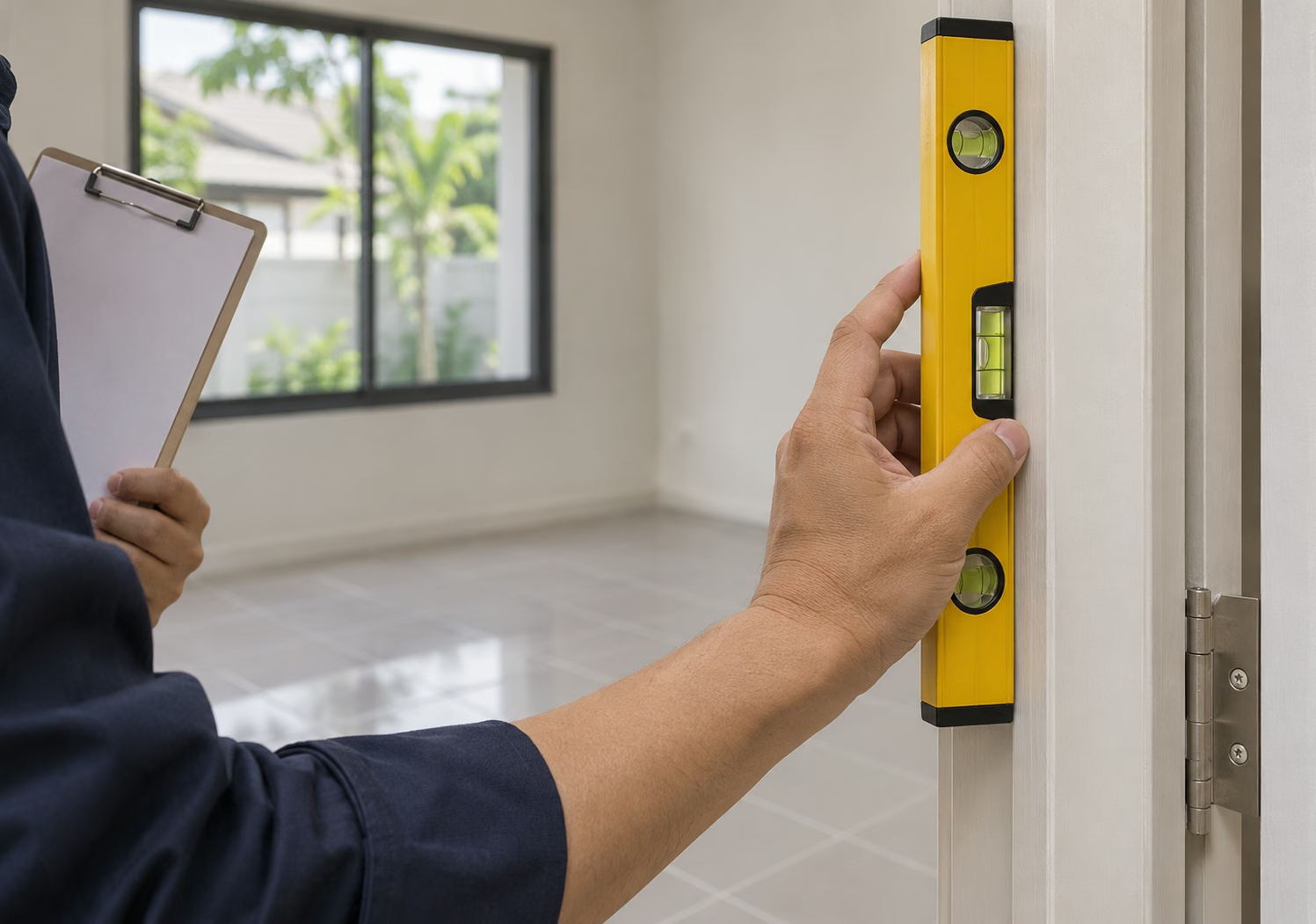
Arrange checks before pipes, waterproofing or specialist connections are covered. Keep photographs with dates and locations, together with testing appropriate to the actual system. Photographs alone do not replace testing or an engineering inspection.
During construction
Record completed work, obstacles, pending material approvals and decisions at each progress meeting. If the completion date must change, document the cause, affected work and revised plan acknowledged by everyone involved.
At handover
Inspect by area against the agreed deliverables. Create a defect list with photographs, responsible parties and reinspection dates. Collect the agreed manuals, warranties, test records and as-built drawings for the relevant work.
Resolve departures from the plan
If materials change without approval, payments are requested outside the agreed terms or additional work remains undefined, preserve the records and request a written explanation before deciding how to address the affected work. Have safety concerns assessed promptly by a qualified person. Obtain advice on the contract and your rights before suspending work, terminating or withholding payment; a short chat message is not enough to establish the position.
Before meeting a contractor, prepare one set of drawings and site photographs, list included work and owner purchases, and write down unresolved questions. Afterwards, share a meeting summary for confirmation. This gives pricing and progress discussions a common evidence base.
Questions before appointing
How many quotations should I request?
Seek several comparable proposals where practical for the project. Information quality matters more than a fixed number. More bids will not resolve the comparison if each relies on different drawings or scope.
Is a price per square metre enough?
It can support an initial budget discussion when its measurement basis and inclusions are known. It should not replace an itemised scope. Site conditions, specifications and systems can change costs even for identical floor areas.
Can I request a quote without drawings?
You can request an initial estimate while making the information gaps explicit. Develop drawings or work details sufficiently to check a binding price, and record assumptions and any further surveys required.
What should a change record contain?
Record the reason, revised scope or drawing, cost increase or reduction, effect on completion and the approving person. Both parties should retain the same agreed version before carrying out the changed work.
Should I keep records after handover?
Keep the contract, drawings, quotations, change records, payment evidence, inspection results and warranty terms. Retain the contact and procedure for reporting problems so later defects can be tracked against the agreement.